Crossing the Wind-Carved Passes of Patagonia
Where South America tapers into the Roaring Forties, weather is not a backdrop — it is the primary sculptor of the terrain and the mind.
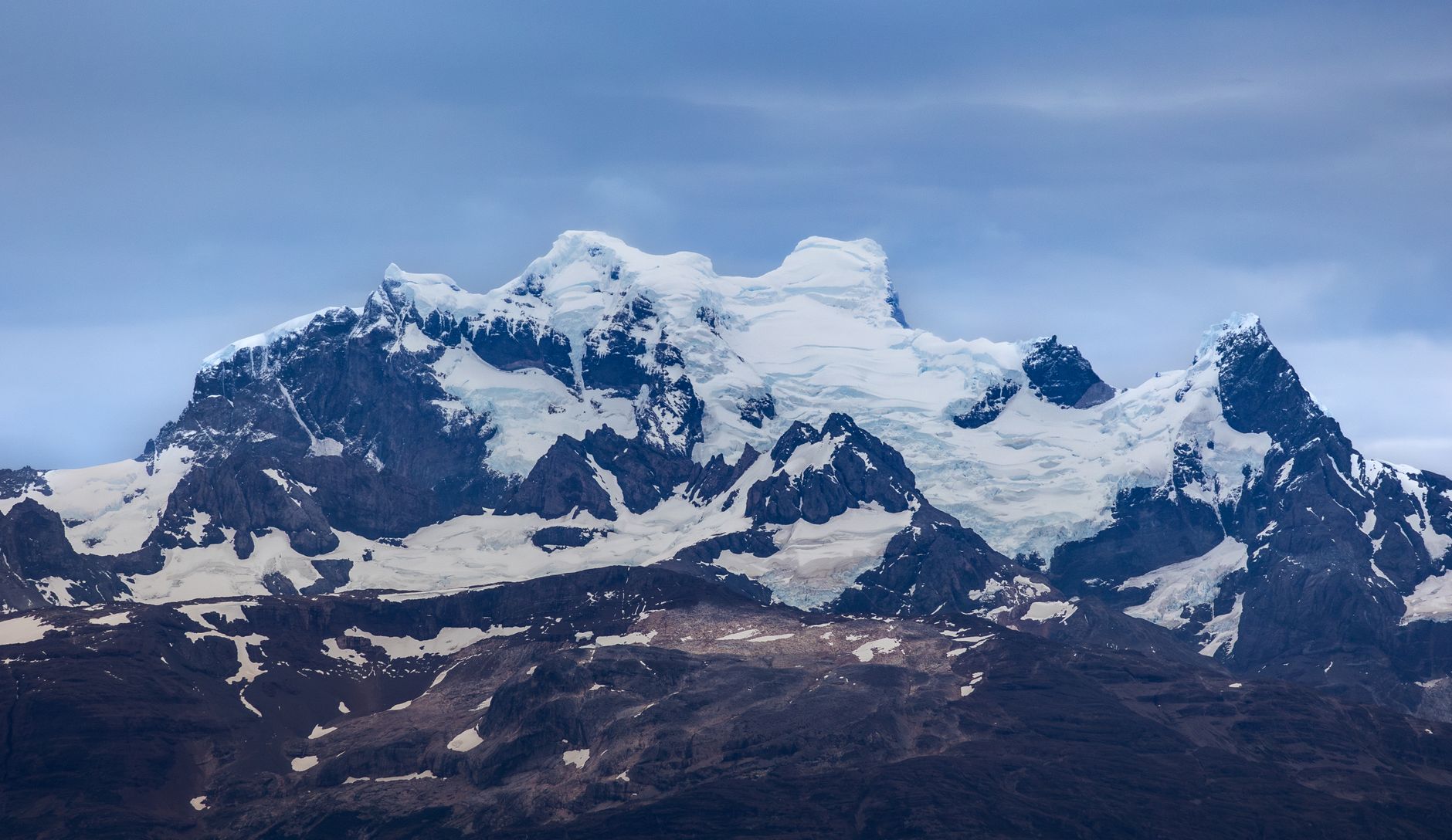
In Torres del Paine National Park, the wind arrives without diplomatic warning. Rushing unchecked across thousands of miles of Antarctic ocean, it slams into the Southern Patagonian Ice Field, funnels through Andean clefts, and tears sheets of spray from milky turquoise lakes. To walk here is to experience elemental humility.
The Quiet Rhythm of Estancia Life
Far from the crowded viewpoints of the classic W-circuit, historic sheep ranches (estancias) continue rituals unchanged since the late nineteenth century. Gauchos in wool berets and rawhide boots guide sturdy Criollo horses through tussock grass, their movements economic and calm against gale-force gusts.
“Out here, a good shelter and a pot of hot mate tea are not luxuries; they are profound philosophical anchors.”
Practical Wilderness Guidance
- Layering Strategy: Bring hard-shell Gore-Tex with taped seams; Patagonian rain frequently travels horizontally.
- Timing: Late February through March brings lower wind speeds and blazing golden foliage across native lenga beech forests.
- Conservation: Practice rigorous leave-no-trace ethics; tundra soil takes decades to recover from off-trail compaction.
Patagonia reminds us that the wilderness does not exist for our entertainment. It is indifferent to our schedules, magnificent in its severity, and utterly restorative for those willing to match its cadence.