The Taste of Terroir: Slow Food Trails of Kansai
Beyond the crowded neon corridors of Osaka lies an ancient network of fertile river valleys where fifth-generation artisans safeguard Japan's foundational flavors.
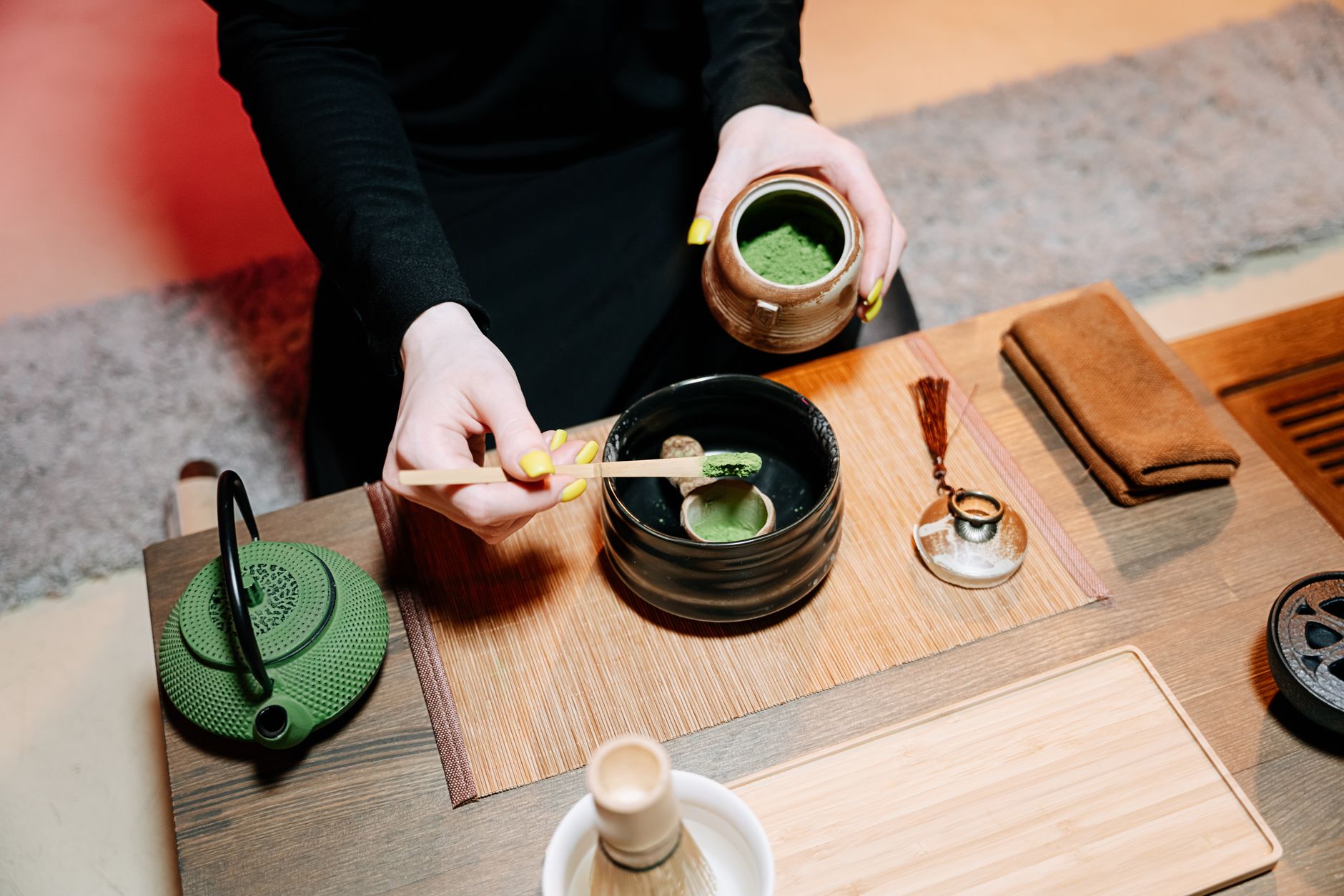
In the hills of Uji, south of Kyoto, morning mist hovers over terraced tea gardens shrouded in dark woven canopies. This deliberate shading technique, known as oishita saibai, stresses the tea plants into concentrating chlorophyll and amino acids, producing the vivid green hue and savory sweetness characteristic of master-grade matcha.
The Living Microflora of Shoyu
In rural Nara prefecture, cedar barrels over two meters tall creak under the fermentation pressure of moromi — a mash of roasted wheat, steamed soybeans, mountain well water, and ancestral koji spores. While industrial soy sauce is produced in weeks via chemical hydrolyzation, these traditional wooden vats harbor natural microclimates that mature slowly over two complete summers.
“You do not force fermentation; you merely maintain the wooden room and honor the tempo of the yeasts.” — Shoyu brewmaster Kawai-san
Field Notes for Mindful Diners
- Uji Morning Walk: Visit independent tea estates along the Uji River at daybreak to avoid weekend foot traffic.
- Temple Shojin Ryori: Reserve a Zen monastic vegetarian meal inside Daitoku-ji temple in northern Kyoto.
- Sake Breweries of Nada: Sample unpasteurized seasonal namazake directly from heritage wooden fermentation halls in Hyogo.
By engaging with food as an expression of geological soil, mountain mineral water, and generational memory, dining ceases to be passive fuel and becomes an intimate dialogue with human geography.